

Nothing ever goes according to plan
so plan accordingly

Hello!
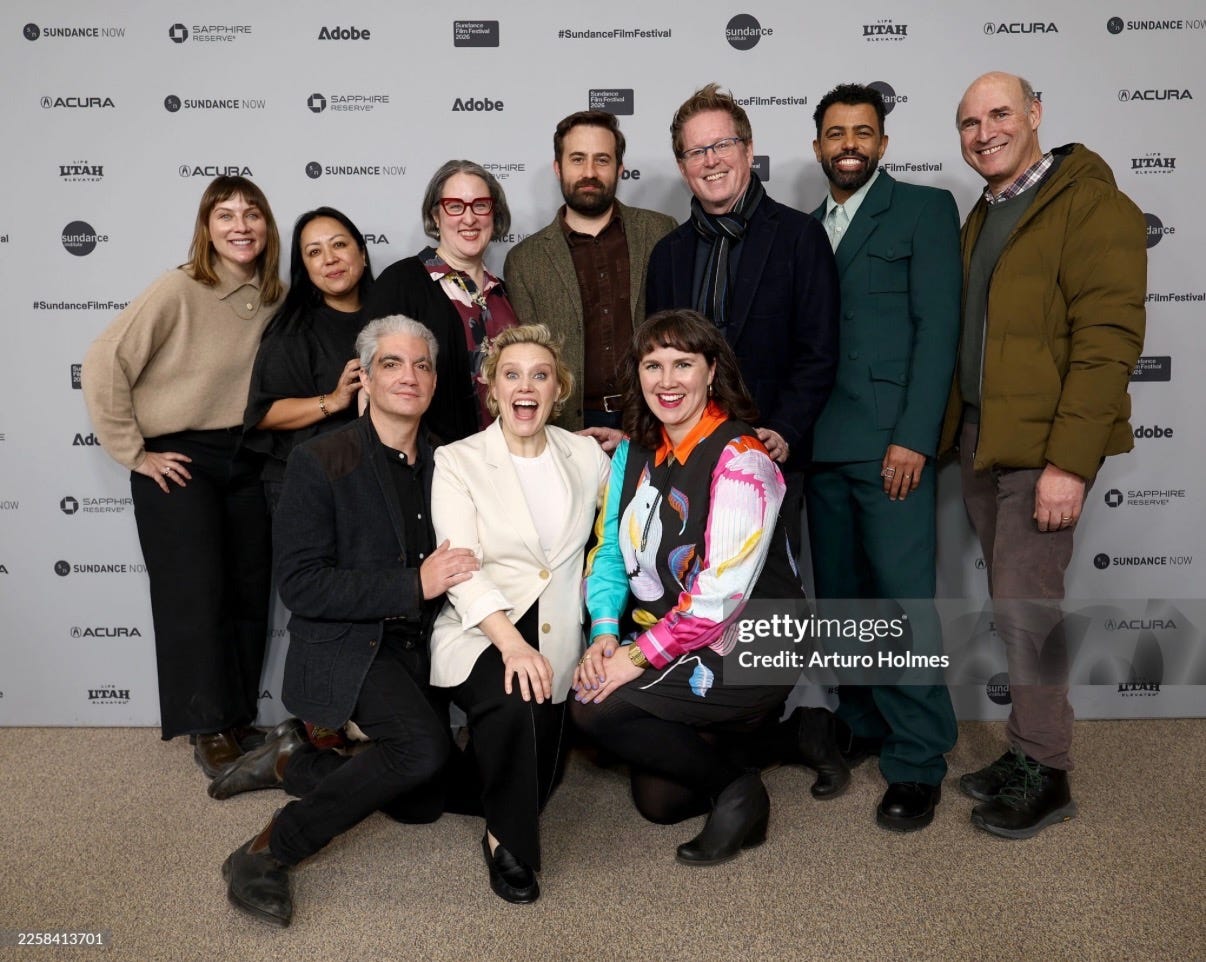
As I write this I’m back from a Sundance premiere and exhausted! Getting to attend the final Park City festival with a film was a dream come true. I’m sure I’ll have more to say about Sundance and the experience of premiering a film but I’m still processing (and more than anything recovering).
I received a very thoughtful question recently (my DMs everywhere are always open) that I’d love to share here, because I think it sums up just about the entire experience of being a filmmaker. It’s an age-old question, and one that I think a lot of people struggle with in some capacity, so let’s get into it.
I’m writing my first feature film right now, and I wanted to ask you something that’s been sitting in my head for a while. Here’s how I’ve been thinking about “getting into the film industry”:
1. write a script
2. send it to festivals
3. get representation
4. write another one
5. ask my rep to send it to actors who’ve worked with first-time indie writers before
6. hope one of those actor-directors takes the project forwardIt sounds neat when I write it out, but I’m not sure how much of that is real and how much is just fantasy. Could you poke holes in it for me? What parts of this plan actually work, and what should I be doing differently? I don’t really see myself directing — what excites me most is writing. Building worlds, creating dilemmas, writing dialogue that feels alive.
-Prem
Long time readers should know that I love a plan. And I love that this plan to break into a career as a screenwriter is so straightforward. Because, in a sense, it is quite straightforward. Write something good enough that people notice, those people then become your advocates, you continue writing, and then hopefully something you’ve written is produced. Then do it all over again.
HOWEVER.
Plans are a funny thing. You can’t really plan for what anyone else is going to do. And so… Prem, because you asked for it, I’m going to poke just one hole in this plan. But it’s a big one.
“Get representation.”
Getting a manager and/or agent is of course the number one thing I’m asked about. It’s the number one question on most early career writers’ (and directors’) minds because... well... how else are you supposed to be taken seriously in Hollywood?
I’ve written before about how I got my manager, agent, and first job, and how I think you can do that too. So I’m not going to go into too much detailed backstory here, but… what I suspect might be missing, looking at this plan you’ve shared, is all of the many many repeated steps and frustrations and missed opportunities and failures between steps two and three.
I graduated from NYU in December 2009 (I graduated early, brag) and started submitting screenplays to festivals, competitions, and anything that felt like it might help me get recognized as a screenwriter. That did not work for me. I only met my manager when a mutual friend introduced us and we hit it off, in 2016.
So what was I doing in those 7(?!) years?!
I was stuck between steps two and three. I was writing and producing theater, making dumb sketch comedy with friends (fortunately, most of these efforts have vanished into the ether that is our zombie internet), writing more movies, even producing a tiny microbudget film, and trying to get representation!
The closest I came to the plan proposed above was in 2012(?) I won “first runner up” in a screenwriting competition and… nothing happened. I got sent a pdf of an award. Nice.
Now, this wasn’t one of the 3-4 most reputable, most meaningful competitions, but… I know plenty of people who’ve done well in those and… nothing really happened for them either.
It’s a slog, this career. And especially if your ambitions are to write but not direct. At least if you’re aiming to become a director you can go direct something yourself. If you’re aiming to write, you are at the whims of a lot of other people (as you’ve highlighted in step 6 — there’s a lot of hoping someone takes the project forward).
Your plan isn’t wrong, it’s maybe just glossing over the hardest, most complicated, most soul-crushing part of the process… the waiting. The waiting and waiting for someone to find you and pluck you out of writerly obscurity into something more, a produced screenwriter.
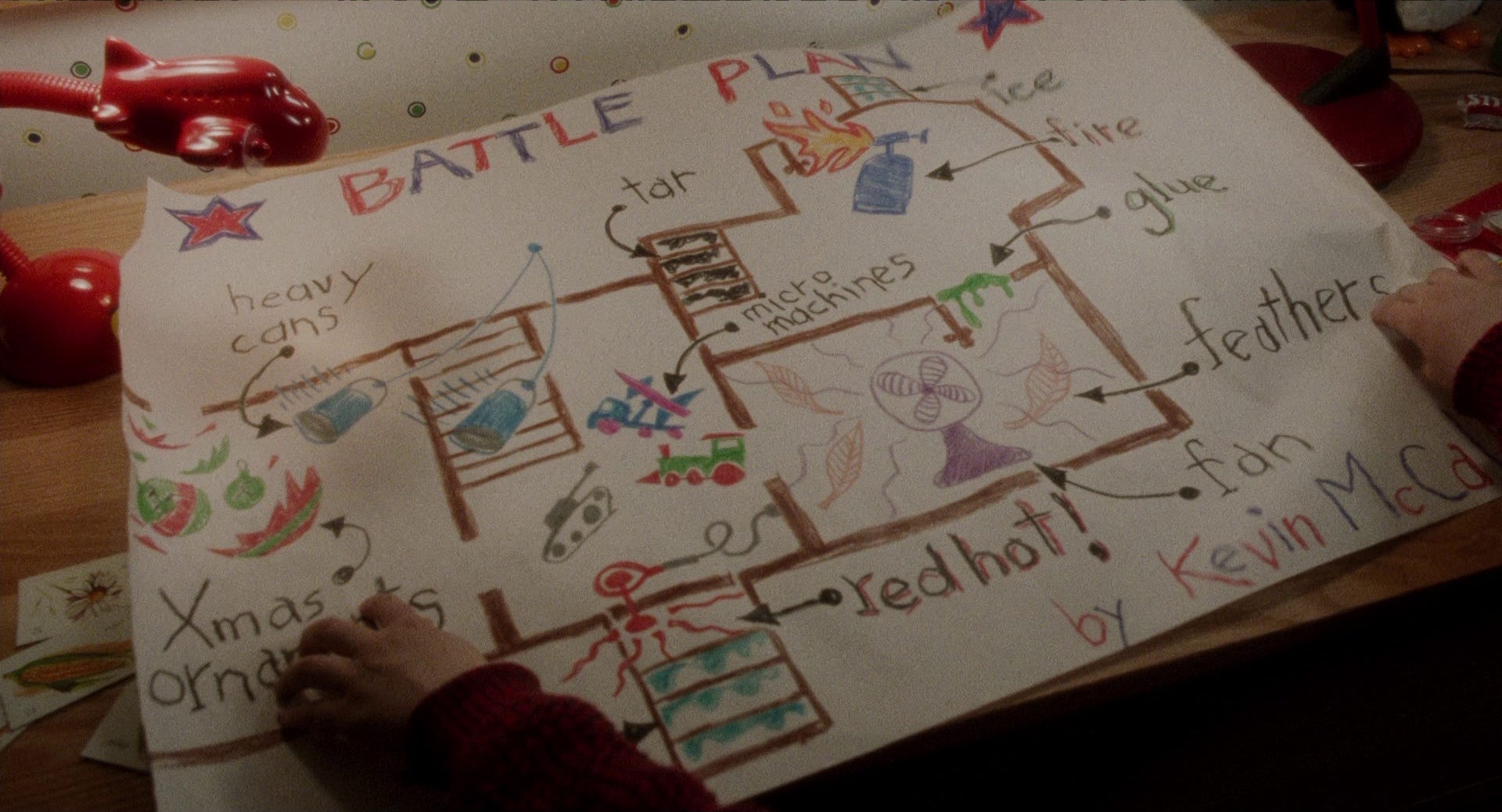
Here’s what I think you should do rather than wait.
Write something small, that can be produced for a reasonable budget.
Find some directors who’ve made incredible shorts you admire. Use IMDBPro, use the trades, use festivals, and compile a big spreadsheet of who these directors are, why you like them, and most importantly how to contact them. Do the same thing for producers you really like. Up and comers only. We aren’t looking for people with ten features under their belt, we’re looking for people with at most one.
Start writing to these directors and producers to introduce yourself. Be genuine. Be real. Be complimentary. And be brief. Tell them you have a feature screenplay you’d love to talk to them about, and include the logline. That’s it. Don’t send the attachment in your intro. Ask for thirty minutes of their time to connect and introduce yourself.
Expect to hear back from about 20% of these people (if even). Find a way to zoom or talk with them about the project, and get to meet more generally. Then, explain why you like them for the project. If they’re open to reading it, send it to them.
Expect to hear back from about 20% of these people (if even). Most will tell you no. But if you have a high enough number of people you’ve reached out to, a couple might tell you they’re kind of interested.
Try to make that small thing together. If it’s a tiny budget thing, you’re going to be wearing a lot of hats, writing/producing/first ADing. I’ve done all those jobs. And as much as you might think “I only want to be a writer” knowing how all of the various jobs from producer to locations PA work will only help you in puzzling together the next project.
Once you have made the thing — you now have another excuse — and a more concrete excuse — to get in touch with agents/managers. And they have a more concrete reason to get in touch with you.
Producing and releasing a microbudget film is a beast, and there’s so much more I could say about how I think you should do it, but I’ll save that for another time. I am going to skip over all of the many many many steps involved to simply say… this is a way to make something happen, for yourself, without waiting for someone to notice you.
We must think outside the box of “I will wait until someone notices me.” You do not need to be found in a contest to make a movie. You can reach out to just about anyone in the world with a little bit of concentrated googling and dedication. Find some people who you think are at a similar career stage and start reaching out to them.
Then, make something.
The more things you make, the more likely someone notices, and the more likely you are to get to make another thing.
A career as a screenwriter isn’t something you can plan, but it is something that you can kickstart, and will need to kickstart, yourself, over and over and over again.
So get going. I love your plan. But I’d fold the seven “easy” steps I laid out into your own plan, somewhere between 2 and 5.


Loved this so much, Colby. And I especially love that my ridiculously talented friend Rhona Rees is in your photo from Sundance 😎
What a fantastic message! I love all of your suggestions. After 30+years in the industry, I can vouch for everything you shared.
I would add that writers should always be prepared to do rewrites if necessary. I am frequently contacted by writers who say they have scripts that are "ready to go" and want to collaborate with my partner and I. But when I read their work and give them notes, some don't want to do any rewrites. So, I pass.
I especially love your tip about making a micro-budget film. There's nothing like hands-on experience. As you said, it forces you to wear a lot of different hats and you'll gain a new respect for your crew when you get a chance to work with professionals.
Congratulations on getting your film into Sundance, and I appreciate your sharing the journey with us.